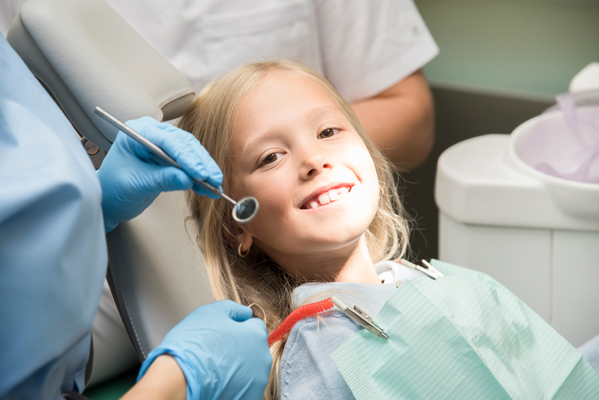
Preventive Dental Care Reduces the Risk of Contracting Oral Health Conditions
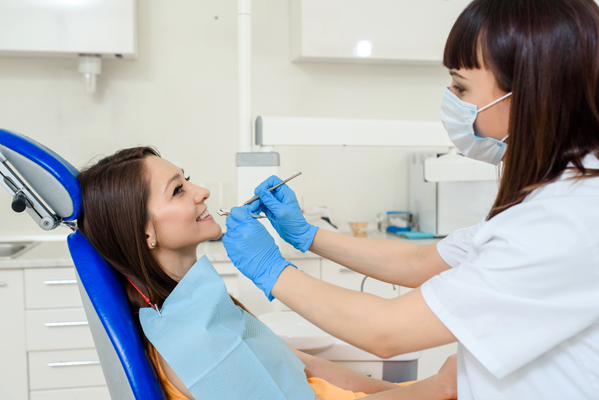
Preventative dental care is an effective way to help reduce the risk of oral health conditions. Preventive dental care includes regular checkups, brushing teeth twice a day, and flossing at least once daily. These tasks can be time-consuming and seem trivial, but they are crucial for maintaining good oral hygiene. The American Dental Association recommends brushing your teeth at least twice a day and flossing daily. We visit the dentist every six months for cleanings and other treatments, such as sealants or fluoride treatment. This article will discuss the benefits of each task and their importance in maintaining good oral health.
Brushing teeth at least twice a day
Brushing one's teeth should be a priority every day. If possible, brush before going to bed since food particles begin staining teeth while the patient is asleep. It is also essential to brush the teeth after eating, such as breakfast and lunch, since food particles can stay in the mouth for hours on end if they are not brushed away properly. Some of these fragments might contain acids that cause tooth decay or cavities over time.
Brushing twice a day will remove plaque from the teeth, which contains bacteria that can cause gum disease and cavities if left alone. It is also a good idea to brush the teeth after consuming sugary or acidic foods, such as fruit juices or soda pop since the acid wears away at tooth enamel over time. Although brushing the teeth might seem like a hassle, it will help prevent health conditions from developing in the patient's mouth, such as gum disease or cavities.
Flossing
Brushing the teeth is a good idea, but it might not prevent all oral health conditions in the future. Flossing should be done once per day after brushing to remove food particles from between teeth that are hard to reach when using a toothbrush.
Even if the patient has healthy gums, food particles can get stuck between teeth, and the only way to remove them is with dental floss. Plaque can also accumulate in these hard-to-reach areas over time, turning into tartar if it isn't removed by brushing or flossing regularly.
It's essential for people of all ages to floss their teeth since it will help prevent gum disease and cavities. Dental floss can be purchased in children's sizes for younger individuals who have not yet developed the skill to use traditional string floss. Teens should also floss regularly, even after they have passed their teenage years, because food particles can get stuck between teeth, leading to plaque over time.
Talk to a dentist about oral health basics
Although these tasks can sometimes be tedious or inconvenient, preventive dental care habits are crucial for maintaining good oral hygiene and freeing oral health conditions like gum disease. If you need help with flossing your teeth properly, we can demonstrate how to do it at home, whether with traditional string floss or alternative flossing methods. By following these basic tasks, you can maintain a bright and healthy smile. Call our Burbank office to learn more.
Request an appointment here: https://www.mediacenterdental.com or call Media Center Dental at (818) 473-1133 for an appointment in our Burbank office.
Check out what others are saying about our dental services on Yelp: Preventative Dental Care in Burbank, CA.
Recent Posts
A preventive dentist focuses on stopping problems before they start. By pairing routine checkups with good daily habits, patients protect enamel, gums, and long-term oral function. Seeing a preventive dentist helps catch early signs of decay or gum inflammation, guide at-home care, and plan simple treatments that preserve natural tooth structure. Preventive care also supports…
A preventative dentist focuses on maintaining a patient’s oral health and preventing problems, such as sensitive teeth, from becoming more serious issues, like gum disease. This typically involves routine dental checkups, cleanings, and oral health screenings. By focusing on prevention, patients have a better chance of avoiding the need for more extensive and costly treatments…
Using the right toothbrush is part of preventive dentistry. Your dental health is more secure if you have the right tool for cleaning your teeth and gums. An effective toothbrush can help you reach your dental health goals. If you want to know the basics of choosing the right toothbrush as part of preventive dentistry,…
A preventive dentist can protect your mouth from different ailments. This dental care professional can perform treatments that can keep your teeth and gums healthy. Regular visits can ward off serious dental problems later on. Here are the details about visiting a preventive dentist for good oral health.The main goal of this field is to…