What Happens During an Invisalign® Appointment?
If you are reading this article, you are already considering getting Invisalign treatments. This article will cover everything you need to know about these clear aligners and what treatment entails.
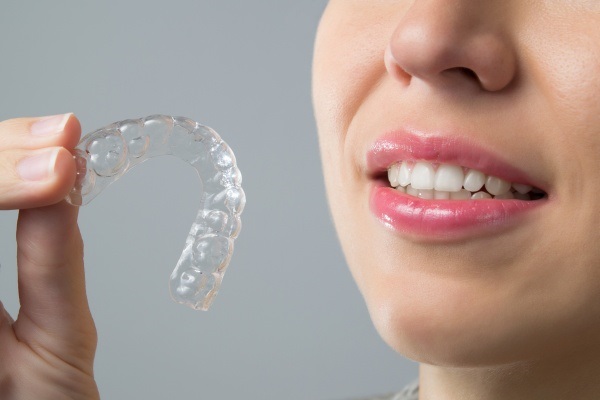
Invisalign is a brand of clear aligners that give patients a less conspicuous way to deal with their teeth alignment problems. It consists of using clear trays to push teeth into a better position over a period of time. Patients get a number of trays at the start of treatment and each pushes the person's teeth 0.33 millimeters closer to the desired alignment. It is then switched out with another tray that pushes the person's teeth closer to the final position.
It can be used to address issues like an incorrect bite, crooked or misaligned teeth. Such bite alignment problems can lead to a variety of unpleasant symptoms like:
- Soreness
- Headaches
- Snoring
- Unhealthy gums
- Jaw pain
- Worn down teeth
- Tooth decay
What to expect during an Invisalign appointment
Here are the various steps patients who are interested in orthodontic treatments with Invisalign should expect:
1. A consultation
During the first visit, the dentist will discuss how the treatment works. They will take an impression and pictures of the patient's mouth. These pictures are used to make a better analysis of their teeth structure.
If the dentist feels the patient is a good candidate for Invisalign, digital imaging technology is used to make an impression of the patient's mouth. It leads to more accurate scans that can be immediately transmitted to an Invisalign lab. It takes about three weeks for the lab to make the aligners and get them back to the dentist.
2. Testing the aligners
During the second appointment, the patient gets to test out their first set of aligners. They will also have attachments added to their teeth. These attachments help to hold the aligners tightly on teeth. It creates holds and pushes for natural movements that occur while the device is being worn. There is no pain during the procedure and the materials used are tooth-colored, making attachments hard to detect. Attachments can be removed later, and they cause no damage to teeth.
A procedure called interproximal reduction might be performed for the same reason. It involves sanding parts of some teeth to create room for the aligners. The procedure is not painful but it does involve the use of anesthetics. The patient will be given their set of aligner trays if everything looks good.
3. Treatment
Once the patient gets their aligner trays, it is their responsibility to wear them for at least 22 hours each day. Aligners should only be taken out for meals or oral hygiene.
The patient will be scheduled for follow-up appointments to monitor their progress. During these appointments, changes might be made to the attachments or more trays added to the treatment.
4. Finishing treatment
Once the patient has gone through the treatment, the dentist will evaluate their results. If satisfied, attachments will be removed and the patient is switched to retainers. These help to keep their teeth in their new position.
Treatment has never been more subtle
Thanks to Invisalign, you can fix orthodontic issues without having to wear metal braces that look like railroad tracks on your teeth. Stop by our Burbank office to get started with your treatment.
Here's how you reach us…
Request an appointment here: https://www.mediacenterdental.com or call Media Center Dental at (818) 473-1133 for an appointment in our Burbank office.
Check out what others are saying about our services on Yelp: Read our Yelp reviews.
Recent Posts
An emergency dentist can evaluate a dental abscess and recommend treatment before the infection worsens. This infection forms when bacteria create a pocket of infection around a tooth root or gum tissue; it typically manifests as throbbing pain, swelling, sensitivity, a bad taste, fever, or discomfort while chewing. Prompt care matters because infections of any…
A family dentist can help seniors protect their teeth, gums, and overall oral comfort through every stage of aging. As the mouth changes over time, older adults may face various concerns that their younger counterparts may not. Regular dental visits with our dentist make it easier to catch these issues early and manage them with…
While practicing good oral hygiene at home is important, routinely visiting a dental office is essential to maintaining oral health and achieving a confident smile. Whether seeking preventive care, restorative treatments, or cosmetic dental services, understanding what to expect can help make the experience more comfortable and productive. Here are five things patients should know…
Have you been experiencing sensitive or bleeding gums? A trusted dentist can help diagnose and treat your soft tissues before minor irritation develops into long-term, serious oral health issues. If you are experiencing gum tenderness or bleeding while brushing, a professional evaluation can identify the underlying cause and effectively restore your gum health.Bleeding gums signal…